
LEARN · STEP 1 OF 5
What is the Nigerian Exchange (NGX)?
Published October 2026.
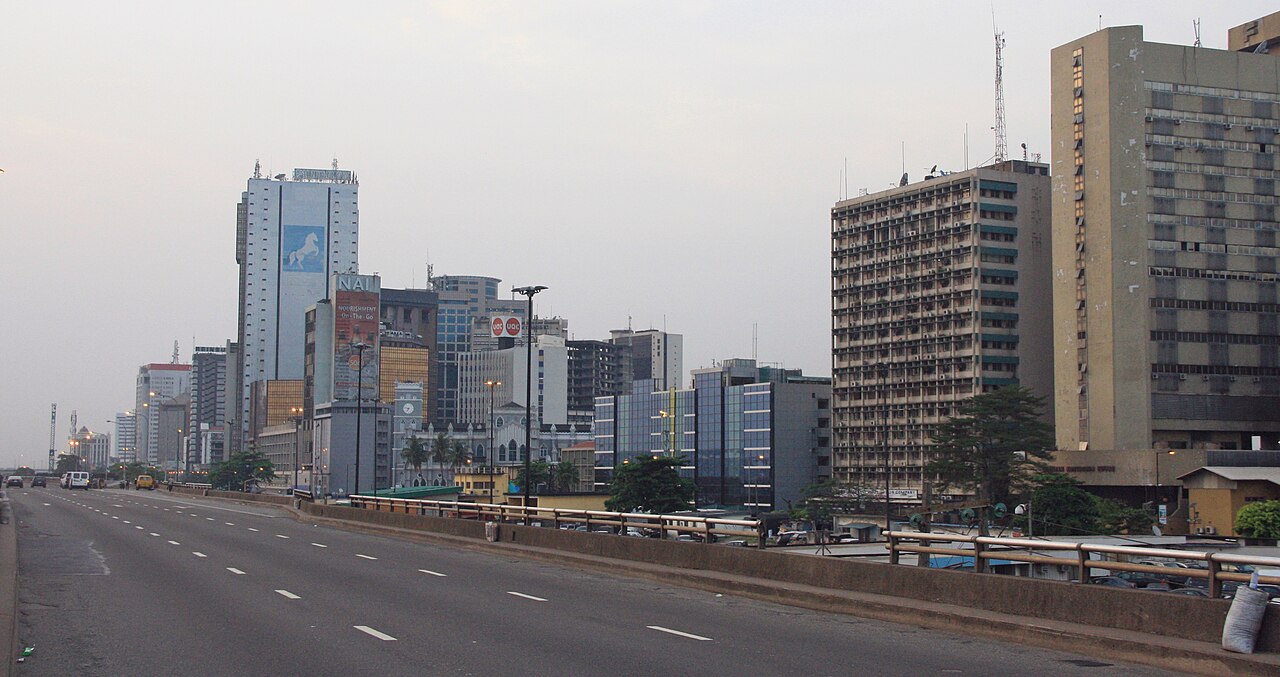
The market in one paragraph
Think of the NGX the way you think of a big market in Lagos, except instead of tomatoes, what changes hands are shares: small slices of ownership in real companies. When you buy a share of Dangote Cement, you own a tiny piece of that business. Prices move through the day as buyers and sellers agree on what each slice is worth.
A worked example
Say GTCO trades at ₦125 per share and you have ₦50,000 to invest. ₦50,000 ÷ ₦125 = 400 shares (before fees). You now own 400 tiny slices of GTCO: its profits, its dividends, and its problems. If the price rises to ₦150, your 400 shares are worth ₦60,000.
The All-Share Index (ASI)
You will hear “the market is up” or “the market is down.” That usually refers to the ASI, a single number that tracks the combined value of the biggest listed companies. When the ASI rises, most large stocks rose that day; when it falls, most fell. Nairaview’s home page shows the latest snapshot.
Who runs it and who watches it
- NGX Group operates the exchange: the trading platform and the rules.
- The SEC (Securities and Exchange Commission) Nigeria regulates the market and licenses stockbrokers. If someone selling you shares is not SEC-licensed, walk away.
- The CSCS keeps the electronic record of who owns what. Your shares live there, not as paper certificates.
Quick summary
- The NGX is where shares of Nigerian companies trade, weekdays 9:00am–4:00pm WAT.
- The ASI is the headline number that summarises the whole market’s direction.
- You buy through a licensed stockbroker; the SEC regulates, the CSCS keeps ownership records.