






The 350bp cut trade
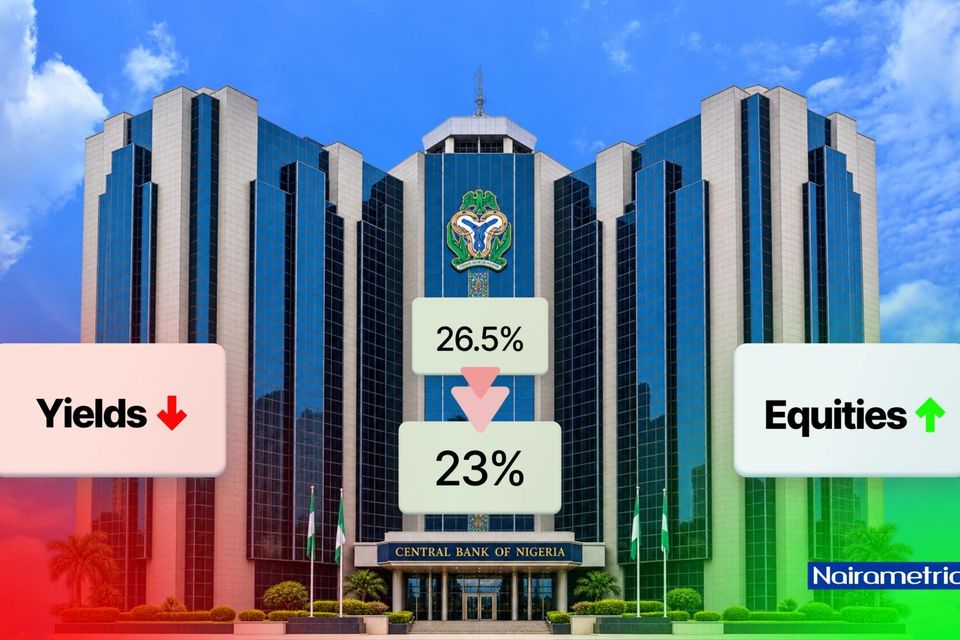
CBN cut the policy rate to 23% on 22 September and T-bill yields fell the next day. The ASI added 0.92% that week as money rotated out of fixed income into equities — the textbook rate-cut playbook, playing out on schedule.
Nigerian business and market news, pulled automatically from Nairametrics, BusinessDay and Investors King.
Market reporting organised by sector. Filter to follow banks, insurers, energy, consumer and industrial names.
Coverage of how the policy move may alter valuations, yields and bank earnings expectations.
The ASI gained 0.23% during the session, extending a run of record market values.
A look at the sector rotation behind the week’s broad-market advance.
The milestone came amid a broad rise in listed-equity value.
The offer comprises 4.1 billion new shares at ₦525, with a minimum application of 10 shares.
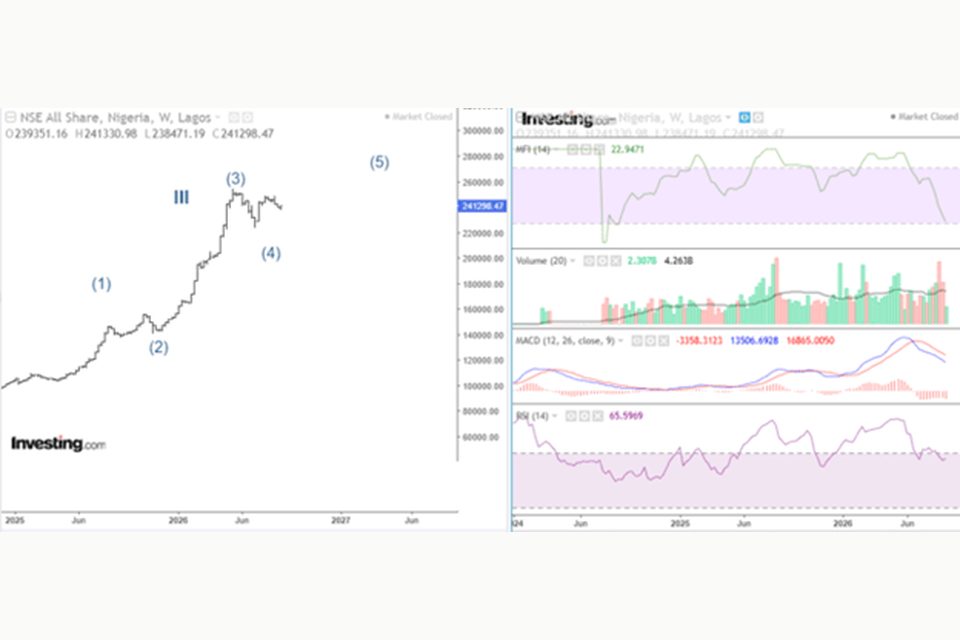
The ASI closed at 241,298.47 for the week ended 28 August.
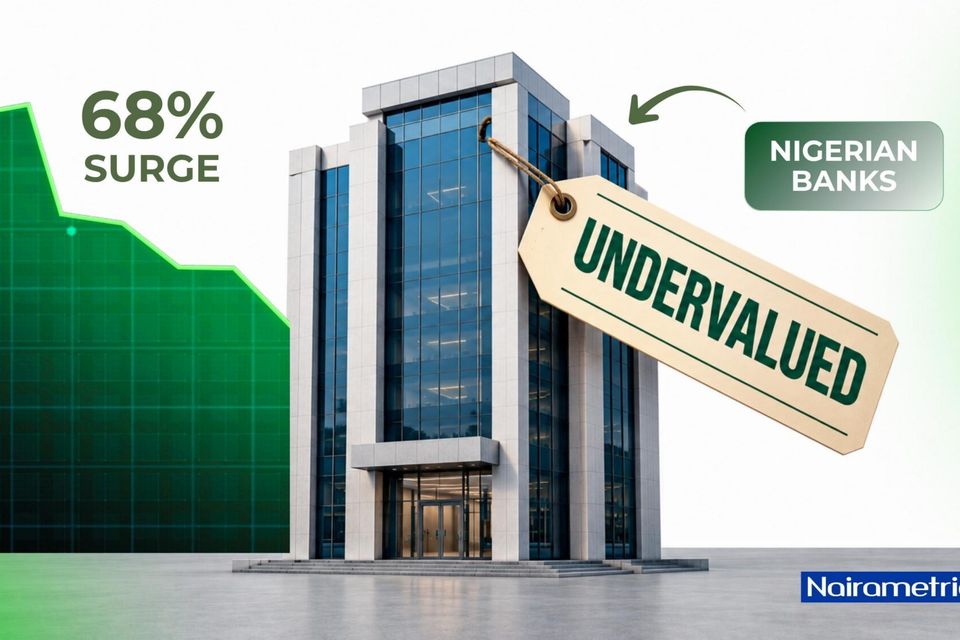
Banking stocks are up 68% in 2026, adding ₦11tn in value — yet several lenders still trade below book value and trail peers in Kenya, South Africa and Ghana on multiples.
Tier-1 and tier-2 banks drove volume and value, lifting the Banking Index from 2,658.95 to 2,725.39 points on concentrated buying.
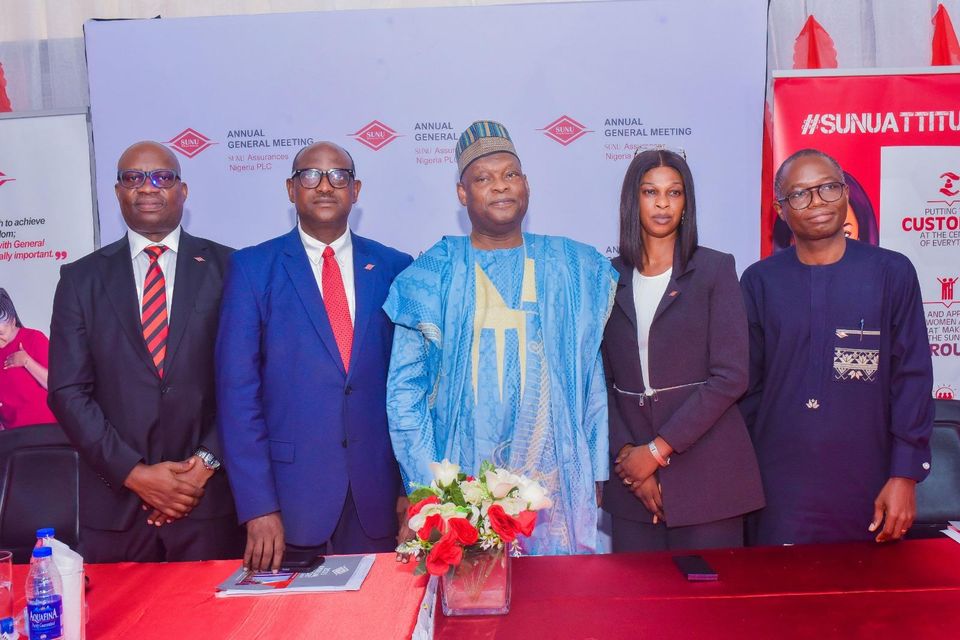
The insurer listed 2.08bn new shares from its ₦4.50 rights issue and is pivoting to AI-led growth in its post-recapitalisation phase.
Four recapitalised insurers drove 82% of the new listings as private placements and rights issues flooded the market with fresh equity.
The Exchange removed STACO’s securities from the Daily Official List, ending price discovery for the stock after the regulator’s licence revocation.
Aradel surged 8.83% and the Oil & Gas Index jumped 3.87% as Seplat and Oando led a broad-based advance.
Nigerian Breweries fell 9.76%, Nestlé 6.51% and Cadbury 9.94% as consumer-goods heavyweights dragged the index lower.
Nigeria’s return to Frontier Market status puts cement megacaps and other large caps on the global index map from 21 September.
Nairaview’s reading of the tape — short observations on reported market events. Not investment advice.
Our first weekly recap: the index close, top gainers and losers of the final session, sector watch, and the corporate actions that mattered — every Saturday.
CBN cut the policy rate to 23% on 22 September and T-bill yields fell the next day. The ASI added 0.92% that week as money rotated out of fixed income into equities — the textbook rate-cut playbook, playing out on schedule.
The Banking Index is up 67.96% this year and added roughly ₦11 trillion in value — yet several lenders still trade below book value and trail African peers on earnings multiples. Either the discount is the opportunity, or the market knows something the multiples don’t.
Four insurers listed 11.79 billion new shares in a single week — 82% of all new listings — through rights issues and placements. The insurance recapitalisation wave is no longer a story; it is dilution, and shareholders are living through it.
The market shed ₦3.55 trillion in two sessions as investors set aside cash for the Dangote Refinery offer. Big IPOs don’t just add supply later — they drain liquidity now. Worth remembering when the 13 October close approaches.
FTSE Russell’s reclassification took effect 21 September with 31 Nigerian stocks eligible for the Frontier index. Passive money tends to land on the largest, most liquid names first — the same heavyweights already driving the ASI.
Figures are fixed at the 25 September 2026 close and are not live. Check official NGX data ↗
Live chart & full quote ↗ Full stock page on Nairaview →